Amazon Holiday Deals

Thursday, April 29, 2010

The Eggplant Data

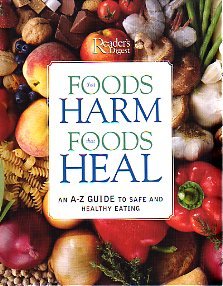
As I have stated earlier, here is the data for the eggplant from Reader's Digest's book, Foods That Harm, Foods That Heal.


From page 34:
  • Eggplant ranked 19, with an ORAC score of 390 (3 1/2 oz or 100mL), for having an antioxidant property


From pages 145 and 146:

Benefits
  • Low in calories (unless cooked in fat).
  • Meaty flavor and texture lends itself to vegetarian dishes.

Drawbacks
  • Soak up fat during cooking.
  • Provide minimal nutrients.

Simply Eggplant: Kosher Recipes from Around the WorldEggplants provide very little nutrition, but are among our most versatile vegetables and a component of many popular ethnic dishes, including Indian curries, Greek moussakas, Middle Eastern baba ghanoush, and French ratatouille. Eggplants are filling, yet low in calories -- a cup has 40 calories. Eggplants' spongy testure, however, soaks up fat. Deep-fried eggplants soak up four times as much fat as French fried potatoes.

The tastiest eggplants are firm, with thin skins and a mild flvor. Larger ones are more likely to be seedy, tough, and bitter. Their skins range in color from deep purple to light violet and white.

Eggplant: More Than 75 Delicious RecipesEggplants are members of the nightshade family, which also includes tomatoes, potatoes, and peppers. Some have a bitter flavor, which easily can be eliminated with salt before cooking. Slice of cube the eggplant, then sprinkle it with salt. Let it stand for half an hour, then drain it and blot it dry. The salt draws out the excess moisture and reduces bitterness. Eggplants can be stuffed and baked or broiled, roasted, or stewed. If sauteing, use a nonstick pan and minimal oil.


Vintage Kitchen?Baked Eggplant Finest LAMINATED Print Grace Pullen 11x14From page 371:
"Most vegetables do not provoke allergies, but some people react to members of the nightshade family, which includes eggplants and tomatoes..."


Lifted from Foods That Harm, Foods That Heal by Reader's Digest.
-----

Reblog this post [with Zemanta]

The Lowly but Extraordinary Eggplant

For many years, the eggplant is but a vegetable that is used is dishes to simply add in some fiber, texture, or fill in some volume.

Even Reader's Digest, in their book Foods That Harm, Foods That Heal, they mentioned that the eggplant has not much vitamins or minerals in it. I will put up that clipping in the next few days, but for now, what I found in the Ezine directory is quite the opposite.

The eggplant is always put in the bottom of the list whenever discussions on positive effect due to the vitamins and minerals from such fruits and vegetables are examined. But I think this article will swing the door to the other side, and make way for the lowly but extraordinary eggplant to take its place -- especially that it is found to have a very direct impact on lowering bad cholesterol, which, if uncorrected, can result to cardiac arrest or high blood pressure.

Quite interesting, eh? Read on...


Lowering Cholesterol With Home Remedy - Eggplant

More than 50% of American populations have cholesterol above 200 mg per dl. Of these, more than 25% have levels which can cause potentially fatal diseases like cardiac arrest or stroke. Though statistics show that the Cholesterol levels are falling in the middle age and the elderly partly due to increased awareness and use of statins and other lipid lowering drugs, the worrying point is the increase in Lipid levels in the younger adults. Sedentary life style and increased consumption of packed and junk food have contributed to the rise in the young. Lack of fibers is also contributing to this unfortunate tendency. As in their elderly counterparts this cholesterol comes mainly in the form of dairy products, meat, and trans-fatty acids seen mostly in packed and junk foods. An over-consumption of these unhealthy foods carries the risk of obesity and cardiac diseases.

Totally Eggplant Cookbook (Totally Cookbooks)Cholesterol levels have a profound effect on obesity. Obese individuals have unusually high levels of LDL and low HDL. Obesity also is indicted in ailments like cardiac arrest, high blood pressure. Obesity is also the cause of syndrome X. Syndrome X is characterized by collection of fat on the abdominal walls, raised levels of bad cholesterol (LDL), hypertension and insulin resistance. Syndrome X is also believed to be a pre-cursor to diabetes and is associated with high mortality in the First Instance heart attack in patients. Having adequate levels of HDL is also important especially to prevent stroke. As explained, deposition of cholesterol in the form of plaques narrow the lumen of arteries including important ones like carotid artery. This reduces blood flow risking the death of Brain tissues due to ischaemia leading to stroke.

Eggplant: More Than 75 Delicious RecipesVegetarian foods are much in vogue these days. It has been said that a simple change into vegetarian diet can lower cholesterol by more than one third. Canadian scientists have claimed that people can drastically reduce their cholesterol level by subsisting on plant foods. Furthermore, the scientists said that the results cannot be matched even by the most modern dietary regimen to reduce cholesterol. Among the various plants which were tried out, eggplant was found to be particularly effective in reducing LDL levels. Eggplant contain natural phenols which inhibit the ACE or angiotensin converting enzyme much like the drug enalapril or lisinopril does. But it does not mean that people on ACE inhibitors should stop taking the drug and switch over to eating eggplant. But it is not without reason that naturalists recommend eggplant in home remedies for treating hypertension and high cholesterol.

The Eggplant Cancer Cure: A Treatment for Skin Cancer and New Hope for Other Cancers from Nature's PharmacyEggplant is a very efficient as well as a safe remedy for curing High Cholesterol.


Mamaherb.com is a herbal website which allows users all over the world to share and rate their experience of natural and alternative home remedies.

Article Directory: EzineArticles


Taken from Ezine aticle directory; source article is below:
Lowering Cholesterol With Home Remedy - Eggplant
-----

Reblog this post [with Zemanta]

Wednesday, April 28, 2010

Being Healthy Through Good Eating Habits

An ear of winter wheat.Image via Wikipedia
The main difference between Eastern and Western diet is that Eastern diet consists mainly of rice or noodles, which is garnished with vegetables and meat, the meat being of poultry, or of fish. That of the West mainly is consisting of meat, which, if not beef, is pork, sandwiched in wheat buns.

Now, wheat has been found to provide growth, mostly physical, while rice simply provides carbohydrates, which is then converted into sugar in the blood, and used up when manual work is done.

Which is why the number of obese people in the West is far more than those in the East.

Furthermore, if an Asian migrates to the West, and if he takes on the Western diet, he also grows fat.

So it is neither genes nor race, but rather, the diet.

i found this article about good eating habits in the Ezine article directory, and interestingly, it is written by a Westerner. Who else would be writing it better, than someone who knows its value?

In this regard, do read on...


Some Ideas about Developing Good Eating Habits

Most everyone knows that good eating habits are essential to good health and well being and while many people seem to ignore this fact, lots of people really do try to eat properly but part of the problem and the main reason a lot of people just don't seem to be able to maintain good eating habits is both misinformation as well as lack of information.

With the vast variety of foods out there and the vast amount of advertising done for many of these foods with oftentimes misleading statements regarding their dietary values it would stand to reason that it is so easy to be guided off track and right into bad food choice territory. Add to the equation the vast amount of diet plans for weight loss as well as the amount of trendy new cookbooks extolling the virtues of the latest fad revolutionary healthy foods to eat and you have a vast array of contradicting information coming at you from all sides!

So what should you do to develop good eating habits? Well, here are some guidelines to follow to get you well on your way to making better, more health minded food choices.

Primary Health Series Health: Food and Nutrition [Grade Level K-6]1) PREPARE YOURSELF FOR SUCCESS

In order to begin you need to prepare yourself mentally. Plan in advance what you will be eating during the week, write it out for yourself, stock up on those foods and make it happen!

2) PROTEIN IS VITAL

Make sure you eat protein in some form at every meal, including breakfast.

3) EAT LESS REFINED BREADS AND STARCHES

Cut back on the amount of bread and pasta you consume. Eat your pasta as your mid-day meal and if you do eat pasta or bread it comes from whole grains.

Grover's Guide to Good Eating (Happy Healthy Monsters)4) LIMIT YOUR DAIRY CONSUMPTION

Drink non-fat milk, eat low fat or fat free cheese and low fat yogurt but check the yogurt, some low fat yogurt has a very high sugar content!

5) DON'T OVERDO THE FRUIT

No more than 2 a day and use just the good fiber kinds. Apples, pears, plums, and berries are best. Avoid fruit juices, they're loaded with sugar!

6) EAT NUTS

Just stay in moderation here. A quarter cup of pistachios, almonds or cashews are not only tasty, but a good source of protein.

Trevor Romain: If you don't take care of your body, where else are you going to live?7) REDUCE THE PORTIONS

When at home, use smaller plates. If you go out, order the smaller size or if one size fits all, get a doggie bag in advance and put half your meal in it before you start to eat. You will fell better and have a good meal to eat again later.

8) DRINK LOTS OF WATER

Water has great dietary and overall health benefits. Many hunger pangs are due to lack of water. Drinking plenty of water throughout the day will keep you hydrated and will reduce food cravings.

9) GO MEATLESS FOR A MEAL A DAY

Try eating one meal per day with no meat. For example, have a peanut butter and jelly sandwich rather than a hamburger. You reduce bad fat and increase fiber and protein.

Eating for Good Health (Living Well, Staying Healthy)10) NEVER SKIP BREAKFAST

A proper breakfast gets your metabolism going. Use cereals with at least 5 grams of fiber and no more than 8 grams of sugar and use non-fat milk.

11) EAT MORE SEAFOOD

Eat water packed tuna and salmon; they are loaded with omega-3 fatty acids that help protect the heart. You should have these seafood's 2-3 times per week.

12) BRING YOUR OWN LUNCH

Rather than eating lunch out all the time, make your lunch and only eat out for lunch once a week. You'll save money and know your eating good things like whole grain bread, lean chicken or ham and fruit or veggies.

Overweight Kids: Spiritual, Behavioral and Preventive solutions for : Making good food choices, Nutritional lifetime eating habits, Healthy body Image, Physically actiThe fact is if you use these simple guidelines as a means to put together a plan of good eating habits you will be well on your way to developing them with sound nutrition and you will be paving the way for a life long journey of better health.

Jim O'Neill gives you tons of valuable information on the subjects of weight loss, fitness, and nutrition to make it easy for you to live a healthy lifestyle. Sign up now for his free 7 part mini e-course at: http://www.mrgymfitness.com

Article Directory: EzineArticles


Taken from Ezine directory, with the same title:
Some Ideas about Developing Good Eating Habits
-----
Reblog this post [with Zemanta]

Tuesday, April 27, 2010

Starting young: The basics of nutrition

Fruit on display at La Boqueria market in Barc...Image via Wikipedia
I wanted to post this article in 2 sites, my Health site and in my Cooking at Home site, but I have to choose only one. Finally, I thought it best to be posted in my Health site, and just mention it in my Cooking at Home site.

This is a very good article. It promotes the health watch from the early stages of a person's life - starting young. With the right footing, keeping healthy will simply be a part of life, a lifestyle, a good habit.

Once again, what my classmate formulated back in our secondary school days hold true: "Proper nutrition aids us in choosing which healthy foods to eat - to sustain our proper nutrition."

And with that, read on...


The basics of nutrition
Feed your child right from an early age. It's as easy as ABC

by June Wan
kids@mediacorp.com.sg


A for Artificial Additives

Toddler Meals: Lifesaving Recipes and Advice for Making Fun, Nutritious Food (Mommy Rescue Guide)Read the labels. If they include words such as hydrogenated or trans fats, or colour additives with numbers (such as blue #1, yellow #5), you might want to reconsider the purchase. Studies have shown artificial additives can increase hyperactivity and lower attention spans in children.


B for Breastfeeding

Breastmilk has a balanced mix of fats, proteins, and carbohydrates, is gut-friendly, and contains heart-healthy fats and immunity boosters.


C for Colour

As a general guide, the deeper the hue, the better it is for you. A prime example is, blueberries, which have powerful antioxidants that keep growing brains healthy. Involve kids by asking them to identify as many colours as they can in their food.


D for Discovery

Finger Food for Babies & Toddlers: Delicious Nutritious Food for Little Hands to HoldLet kids learn where food comes from and how it is made or grown. An excursion to a farm can be very enriching. Explain why you have chosen particular foods over others at the supermarket.


E for Egg

It's a "protein-rich wonderfood in a shell", describes Natalie Savona, author of Wonderfoods For Kids. The dense protein provides the necessary building blocks for growth and development. It also has Vitamin K, which helps blood clotting and bone formation.


F for Fish

Fish such as salmon, halibut and cod contain omega-3 fatty acids which help maintain brain and cardiovascular health. Omega-3 fatty acid is also said to improve behaviour in children. Purdue University researchers found that boys with Attention Deficit Hyperactivity Disorder had lower levels of omega-3 fats, especially DHA, which is mainly found in fish.


G for Graze

100 Best Health Foods - The Ultimate Superfoods for Healthy Living Including 100 Nutritious Recipes)Apart from main meals, let your child nibble on nutritious snacks throughout the day. Grazing regulates their blood sugar as they get a steady supply of energy from frequent small meals.


H for Hummus

This Middle Eastern dish, which is low in fat and high in fibre, has Vitamins B1 and B6, folate, iron, magnesium, calcium, zinc, maganese and selenium. Make your own chickpea and tahini (a sesame seed paste) dip and serve with pita bread. Add diced cucumbers or celery for a healthy crunch.


I for Immunity

Your immune system protects you from infection and allergens, if you feed it right. Antioxidants and proteins aside, introduce kids to spices. Ginger, turmeric, cinnamon and chilli add flavour and are said to help fight infection.


J for Junk the junk!

50 Ways to Take the Junk out of Junk Food: Quick and Nutritious Treats to Make with Your KidsJunk food is one of the key culprits of obesity in children. More worryingly, too much of it can lead to less stable DNA and faulty cell reproduction. Your child may be more vulnerable to serious illnesses in later childhood and adulthood.


K for Kiwi

Weight for weight, this fuzzy-skinned fruit packs more Vitamin C than an orange. It also has antioxidant phytonutrients such as flavonoids and carotenoids which protect against free radicals.


L for Lentils

Lentils are a good source of cholesterol-lowering fiber. This tiny nutritional giant also boasts six important minerals, two B-vitamins and protein.


M for Milk

The Everything Baby's First Food Book: Tasty, Nutritious Meals and Snacks That Even the Pickiest Child Will Love-From Birth to Age 3 (Everything Series)In addition to yielding vitamins, minerals and other nutrients that keep children healthy, milk is important for building and maintaining strong bones. The Academy of Pediatrics advises low-fat milk for children older than two years. Toddlers under two years should be breastfed, or drink whole or formula milk.


N for Nuts

They're nutrient-dense - full of healthy fats, protein, fibre, vitamins and minerals. Pack a homemade trail mix of nuts and dried fruit for the older ones to take to school. Younger ones can enjoy almond or cashew butter, or even tahini, spread thinly on toast. But if your family has a history of nut allergy, wait till your child is at least two years old before giving him peanut butter.


O for Organic

While there is no concrete evidence to prove organic food is healthier than its non-organic peers, it is grown and processed without artificial fertilisers and pesticides.


P for Phytonutrients.

Grow Your Own Food Made Easy: Nutritious Organic Produce from Your Own Garden, A Step-by-Step GuidePhytos, for short, are immune-boosting substances found only in fruits and vegetables. They prevent wear and tear on organs and help the body to repair itself. They also give fruits and vegetables their vibrant colours which kids are naturally attracted to. So, let your child choose his own phytos by asking him to select a rainbow to eat.


Q for Quinoa

Pronounced "keen-wah", it is a collective term for the grain-like seeds of the leafy plant. Quinoa is rich in gluten-free protein and packed with B vitamins, iron, magnesium and manganese. You can prepare it the same way you cook rice, in a rice cooker. An article by Karen Railey, author of How To Improve Fading Memory And Thinking Skills With Nutrition, states that quinoa is 12 to 18 per cent protein.


R for Raisins

Health, or junk, food? The jury's not out yet but these shrivelled grapes are low in fat and cholesterol, and are a good source of fibre, iron and potassium. Recently, raisins were found to contain phytochemicals which inhibit the growth of bacteria in the mouth.


S for Spinach

The Food DoctorT for Babies & Children: Nutritious Food for Healthy DevelopmentPopeye loves it for a reason. A dose of spinach offers fibre, Vitamins C and E, calcium, folate, as well as the antioxidant lutein, which boosts retinal health. It is also high in iron, which aids growth and muscle development. Spinach is easily disguised for kids: Blend baby spinach, celery, carrots and tomatoes into a homemade pasta sauce.


T for Tryptophan

This amino acid can be converted to serotonin (the "happy hormone"), which is linked to good moods and sleep. Tryptophan is found in chicken, turkey, red meat, tuna, shellfish, dairy products, nuts, seeds, bananas, soybeans and soy products.


U for Unsaturated Fat

Most unsaturated fats come from plant and fish sources. These fats are a good source of essential fatty acids and help kids' bodies grow and develop. The best unsaturated fats are found in olive oil, peanut oil, canola oil, albacore tuna, and salmon.


V for Vitamins

Miracle Foods for Kids: 25 Super-Nutritious Foods to Keep Your Kids in Great HealthThey're good for the body but children, especially finicky eaters, may not always get the vitamins from the foods they eat. Many parents give their children a daily multivitamin as an added nutritional precaution.


W for Water.

If your child isn't taking to water, try packaging it with an attractive cup, decorative straw, maybe an ice cube, or even a lemon twist. Keeping a child well-hydrated improves their appetite.


X for eXposure

Expose your kids to a variety of foods. Fussy eaters may suddenly develop appetites for different foods and eat more. My toddler, for instance, prefers couscous to rice because the smaller grains are easier for him to chew and swallow.


Y for Yoghurt

Healing Foods: 55 Nutritious Foods That Create Health, Balance Energy, and Prevent DiseaseHigh in protein and calcium, easier to digest than milk, yoghurt has live bacterial cultures that keep intestines healthy, aid digestion, and offer a boost to the immune system. Buy low-, or non-fat variants. You can also blend it into smoothies, make dips from it, or stir it into soups and sauces.


Z for getting proper Zzz's.

What kids eat can affect how they sleep. In her book The Good Sleep Guide For Kids, author Sammy Margo suggests Tryptophan-rich foods such as bananas, cheddar cheese, cabbage, spinach, oats, wheat, eggs and soya products to help kids sleep better.


Taken from TODAY, Kids - Monday, 26-April-2010
The basics of nutrition
-----

Reblog this post [with Zemanta]